Seasonality in gold markets
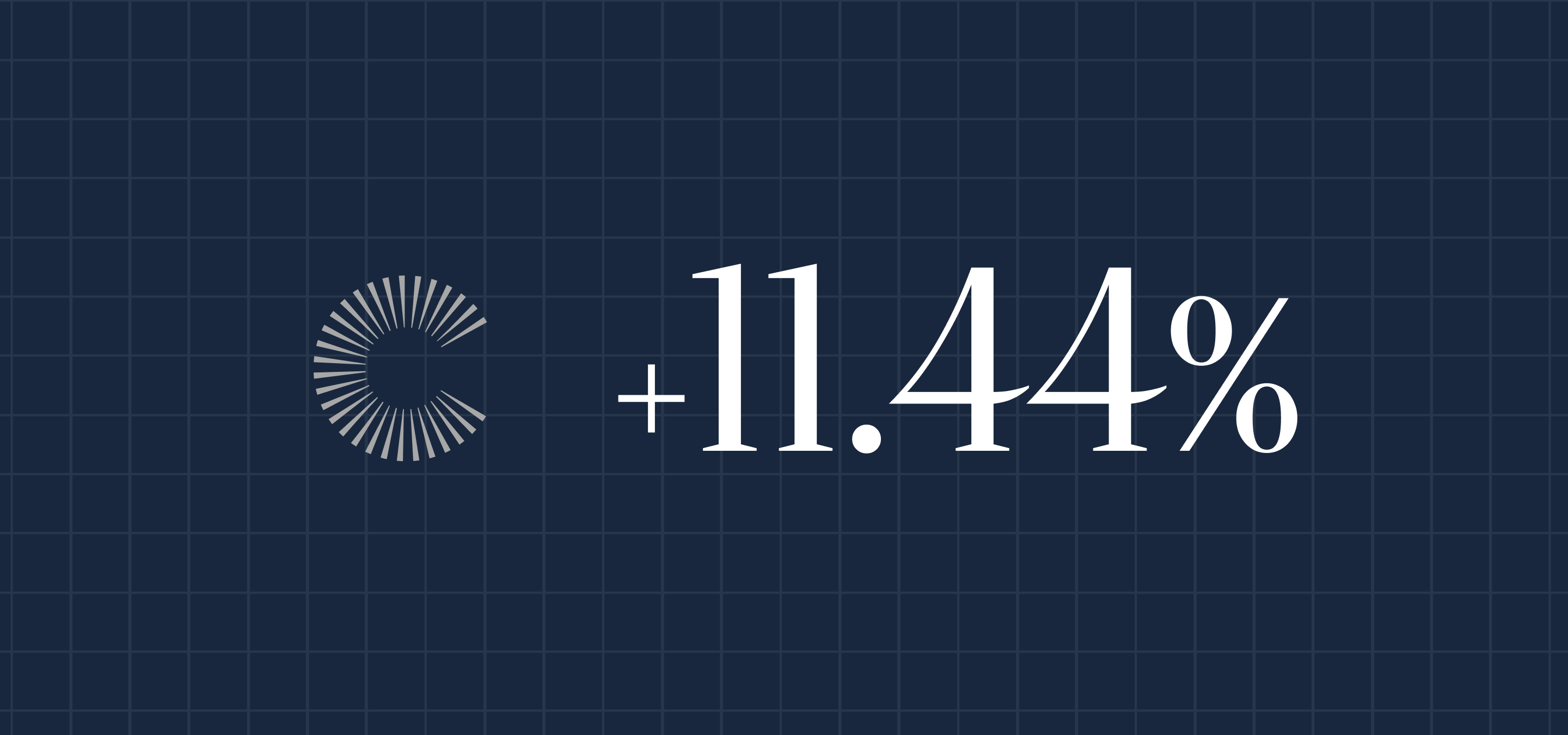
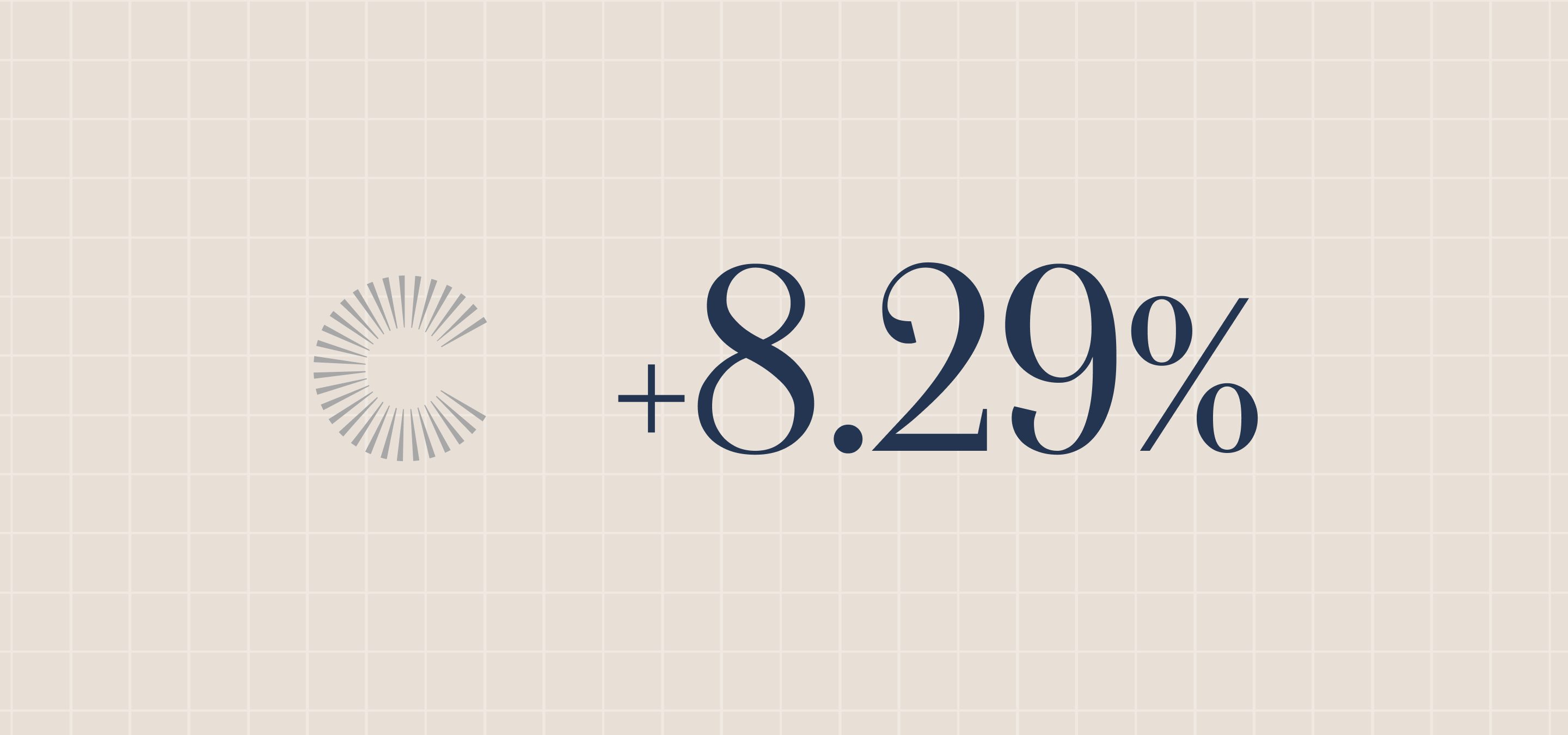
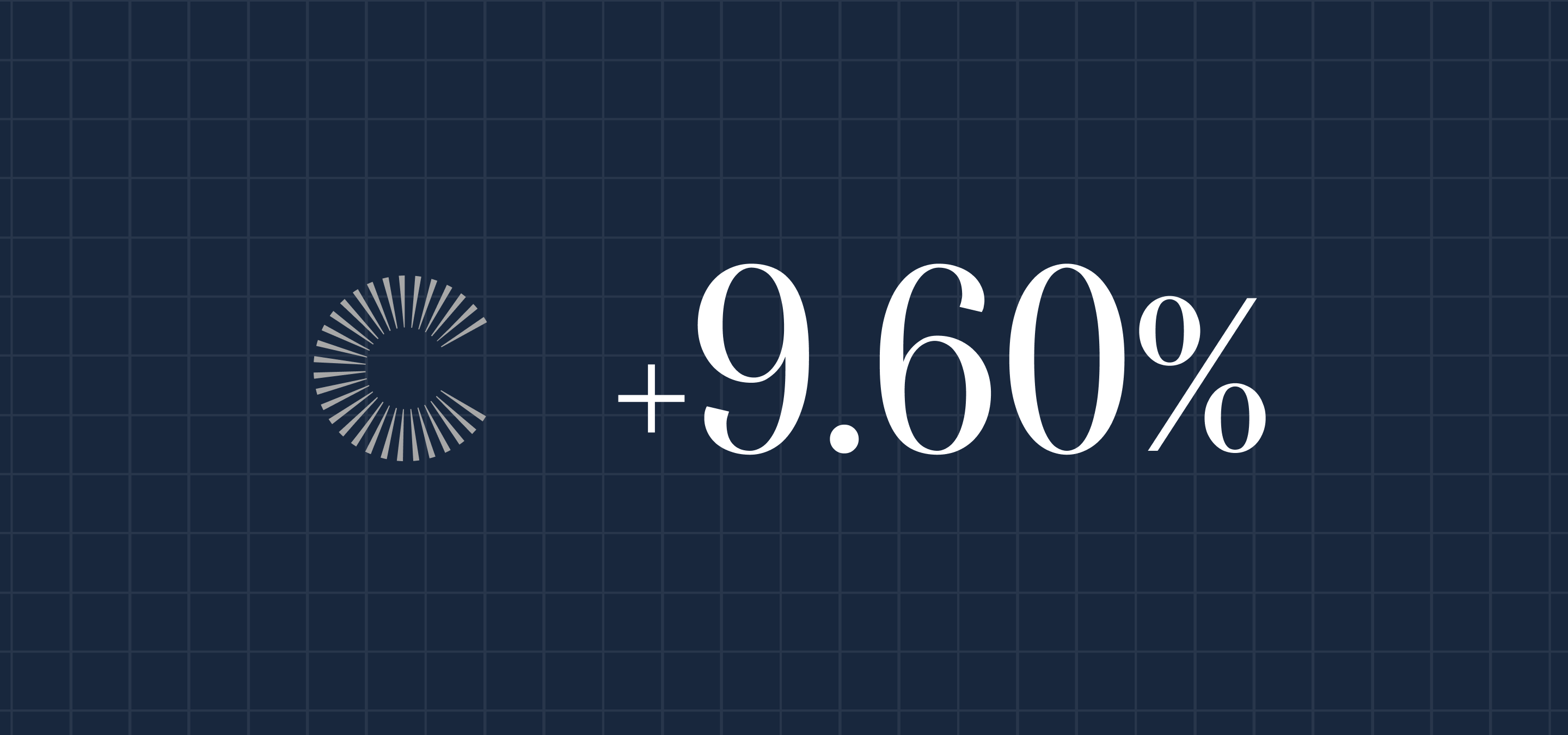
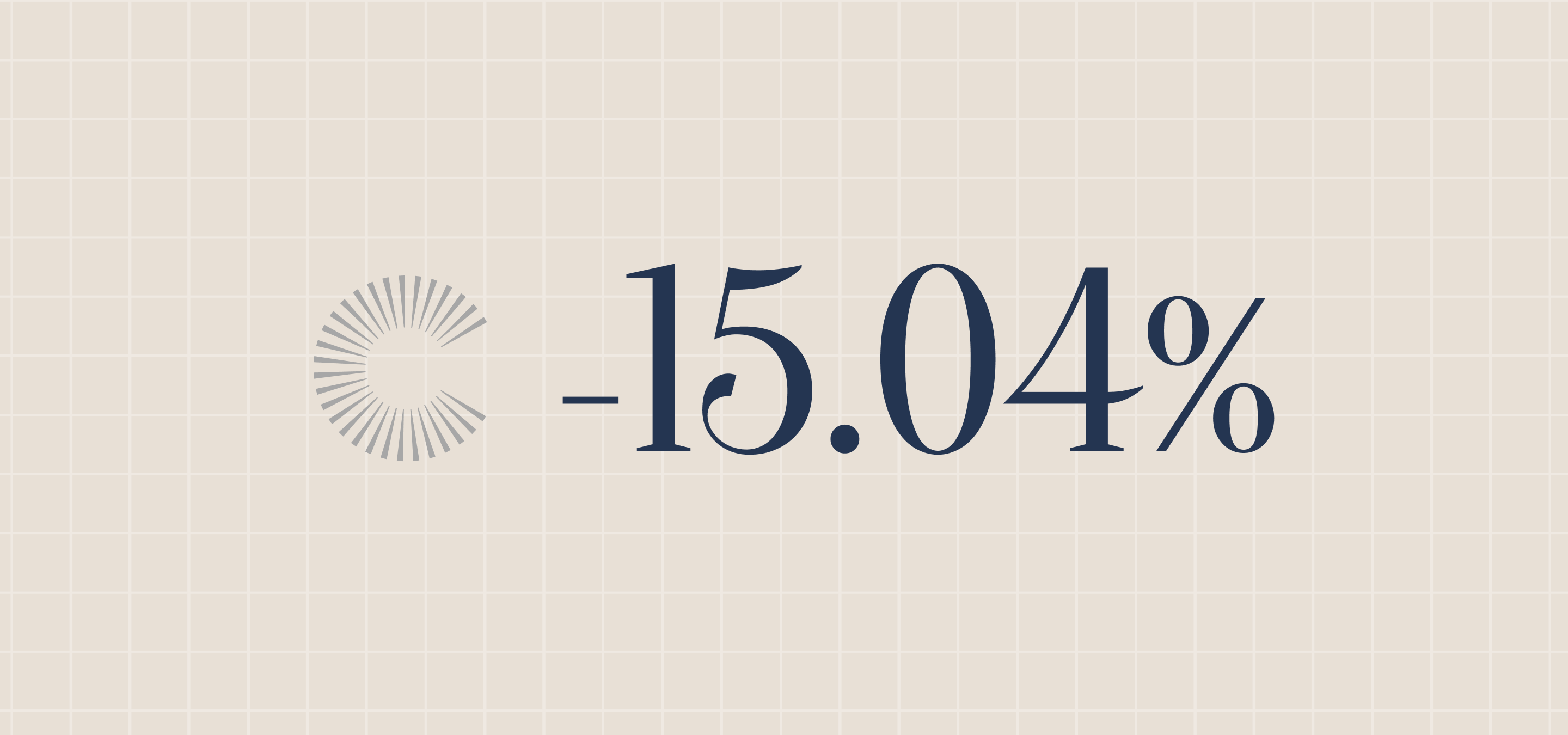
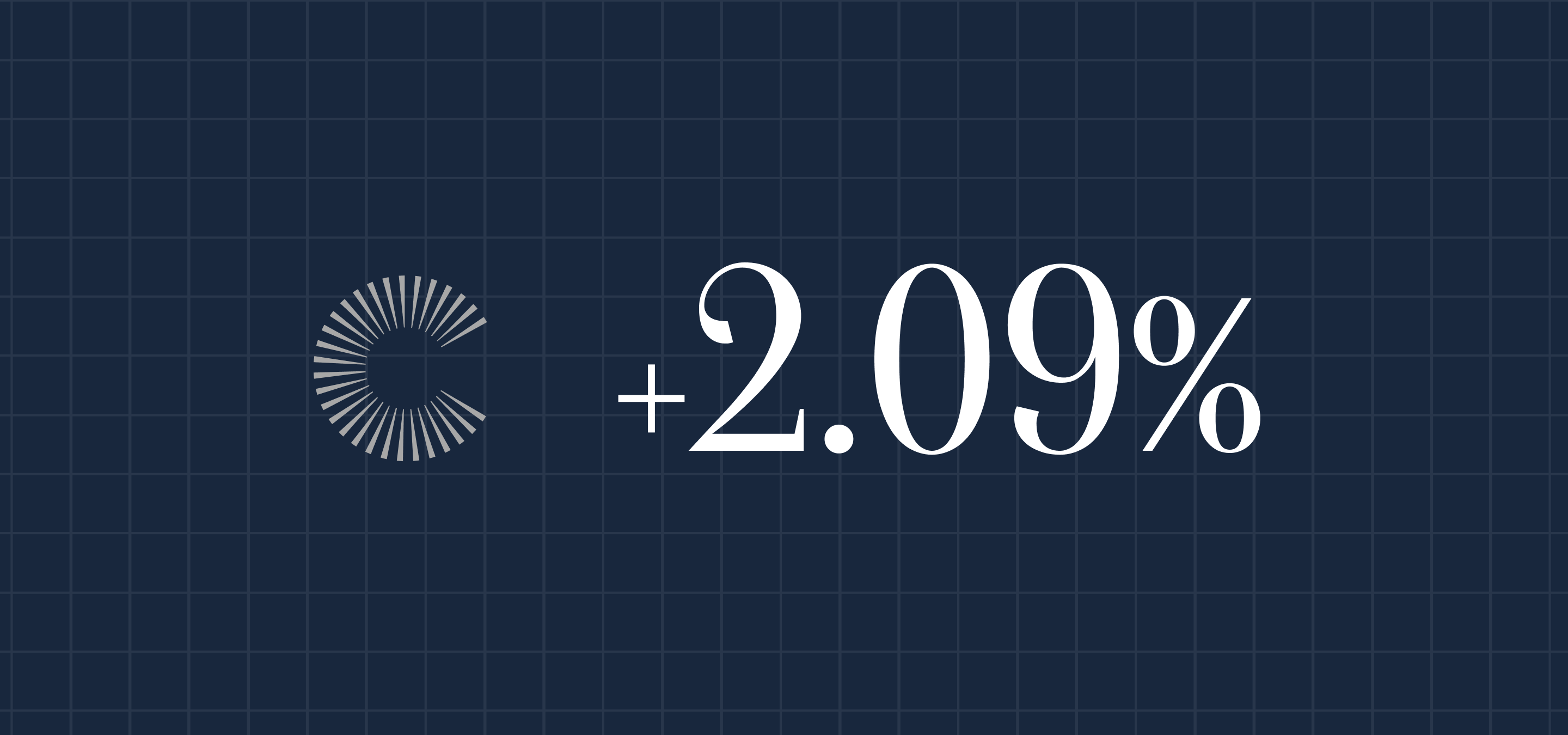
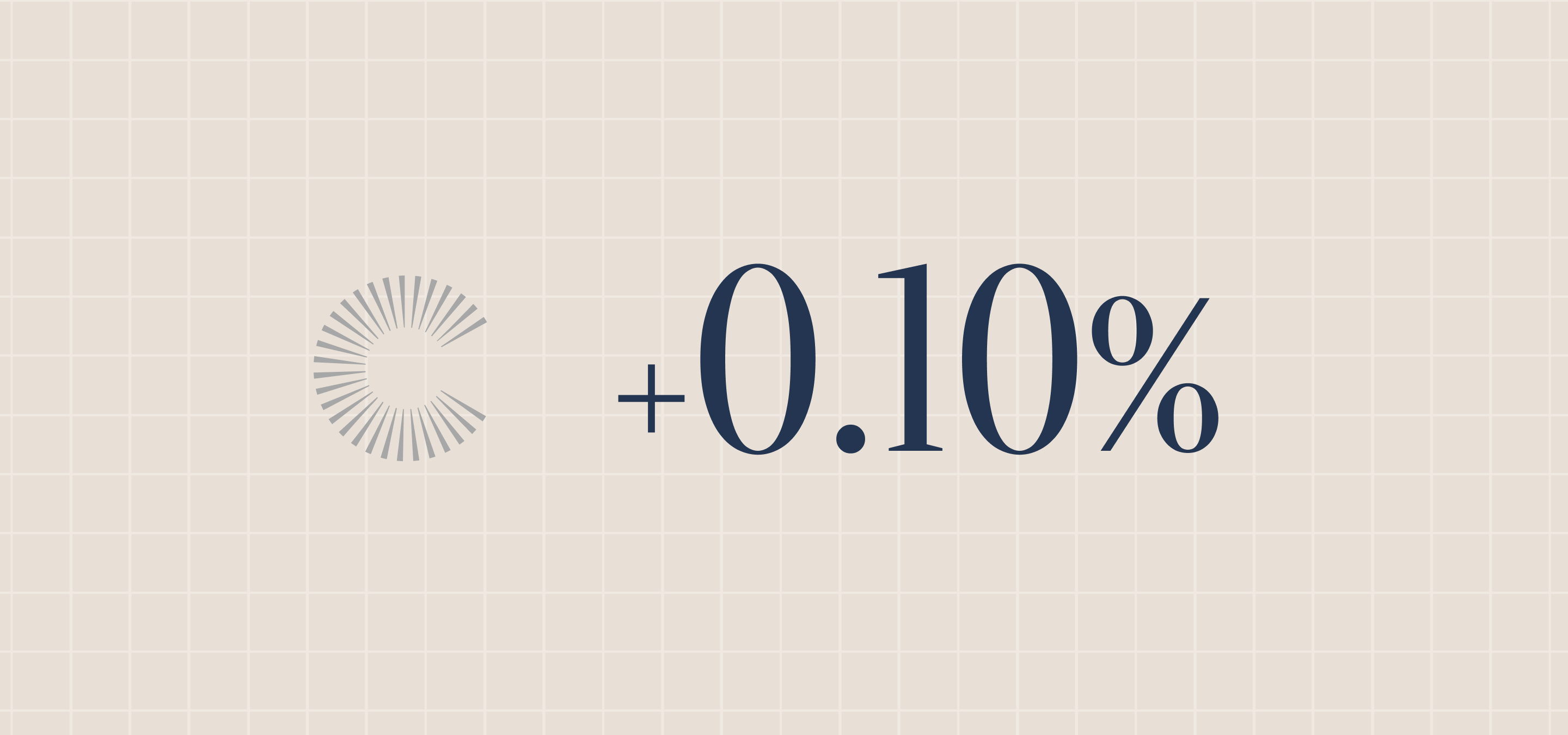
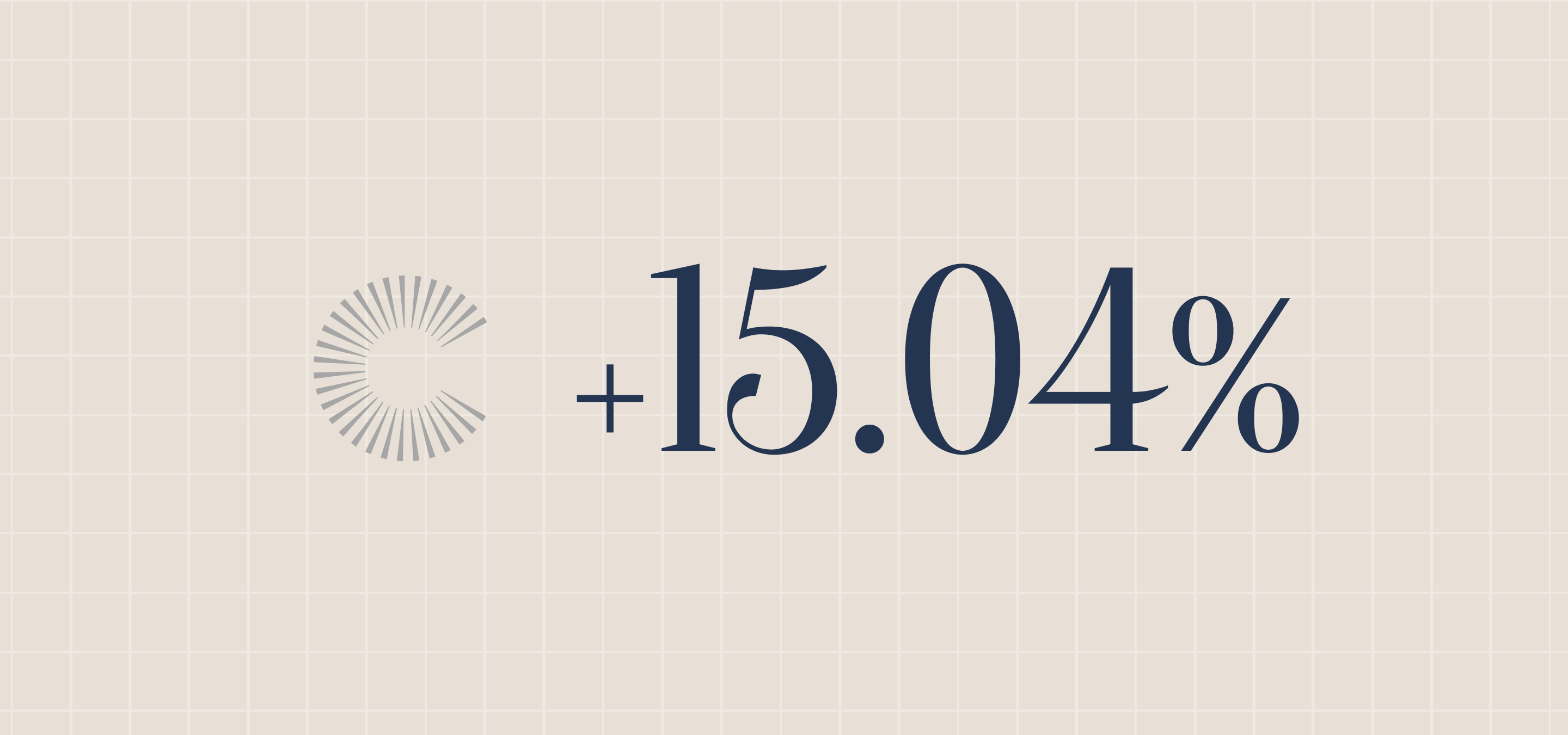
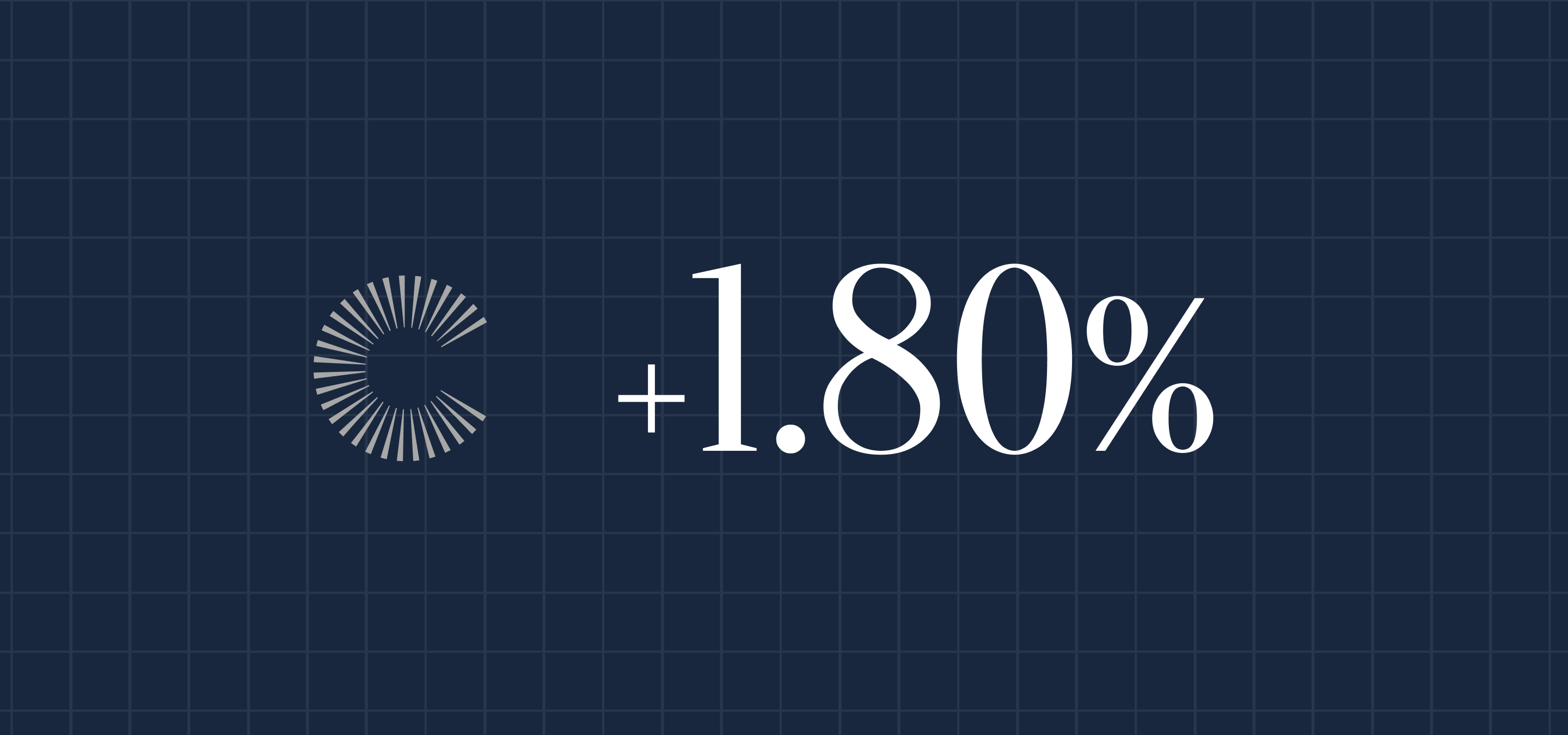
Seasonal patterns exist in gold markets, but macroeconomic conditions remain the dominant driver. Seasonality provides context for positioning rather than reliable standalone direction for long-term price movement.

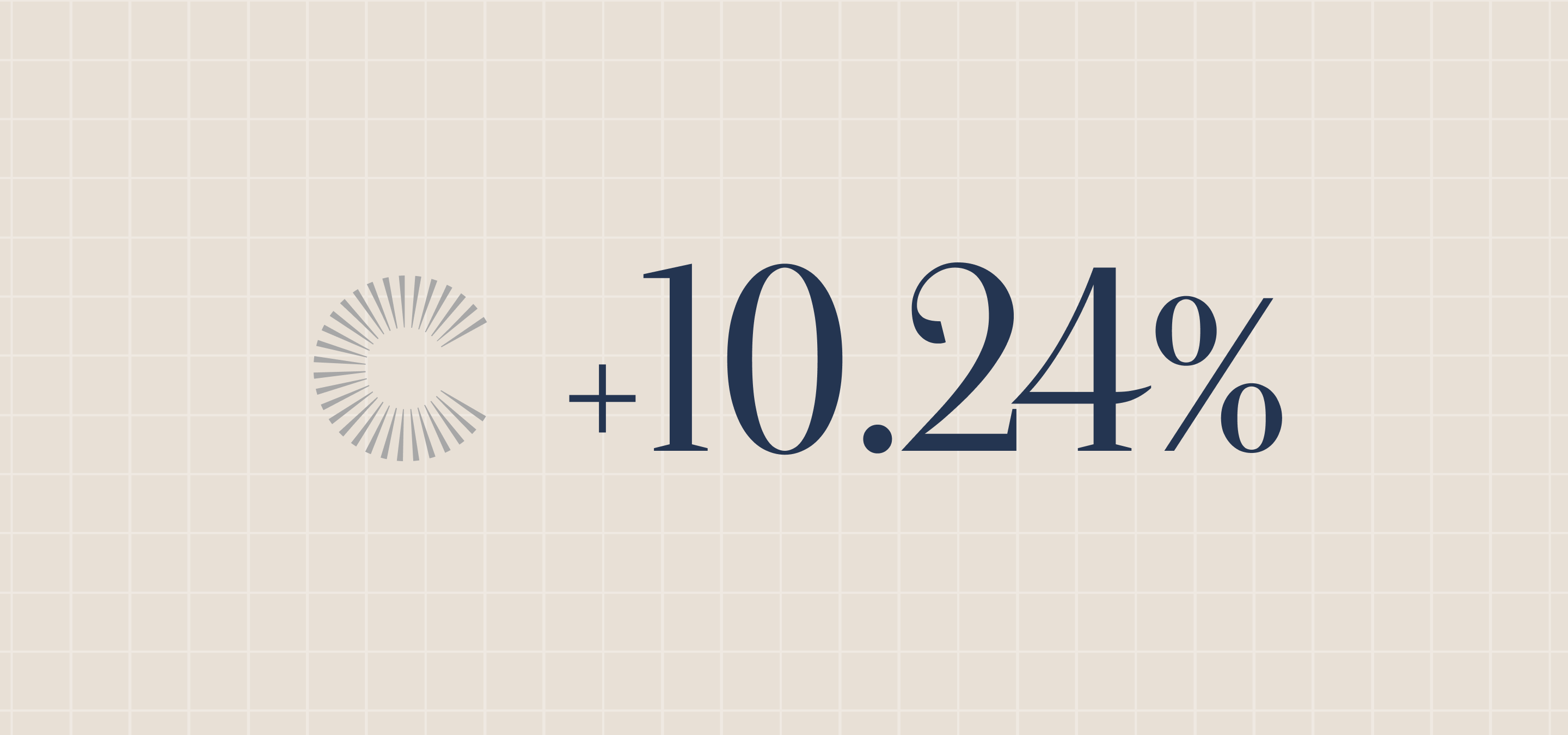
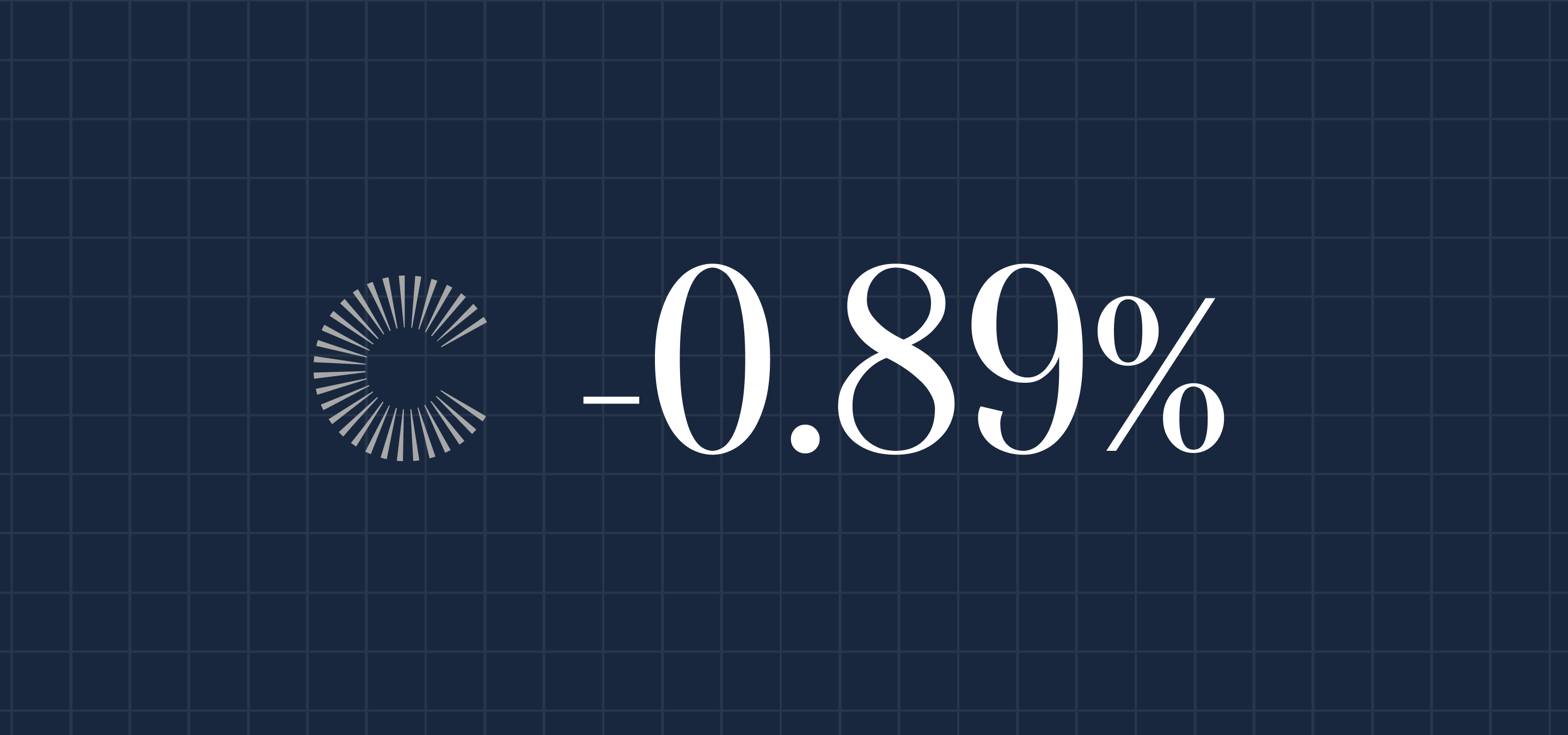
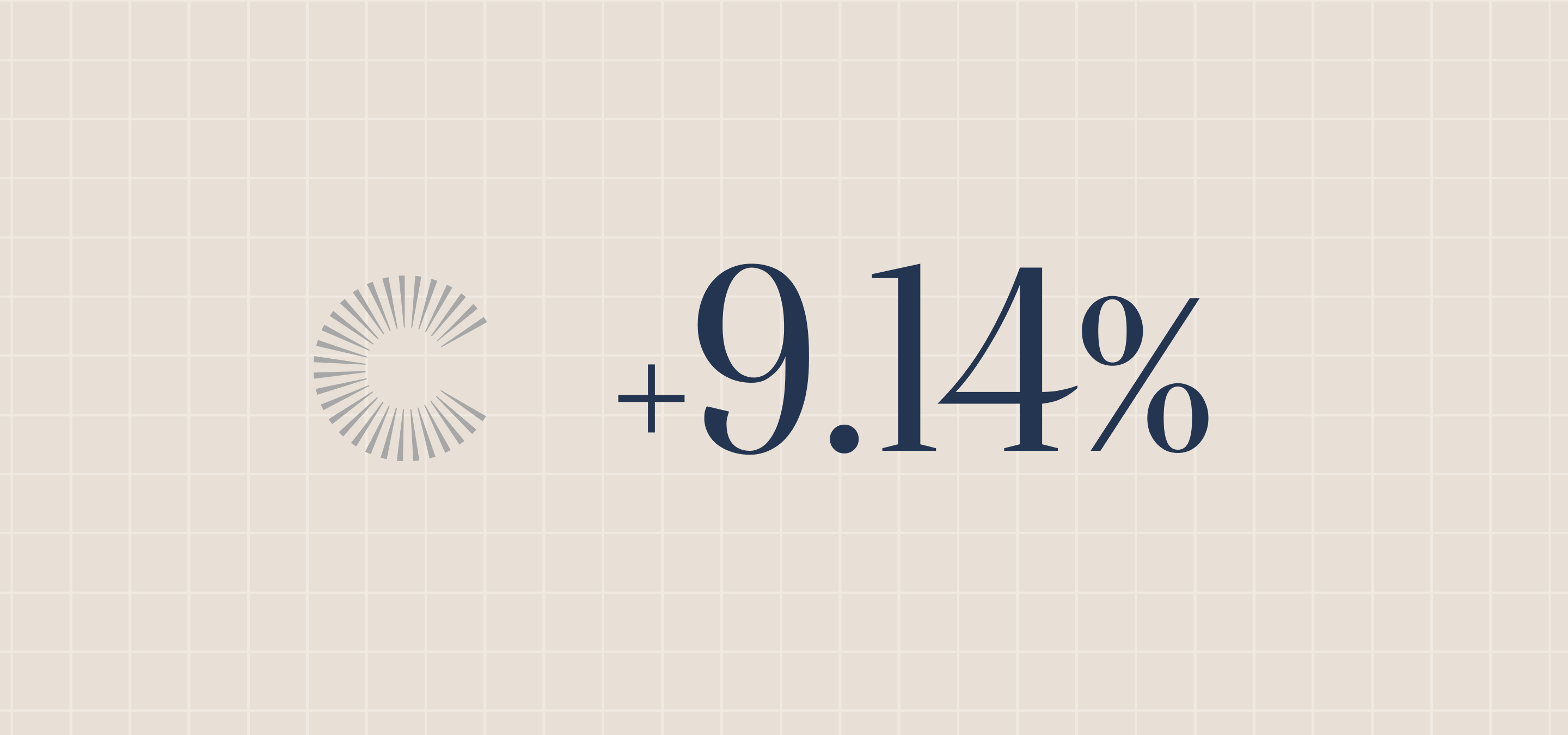
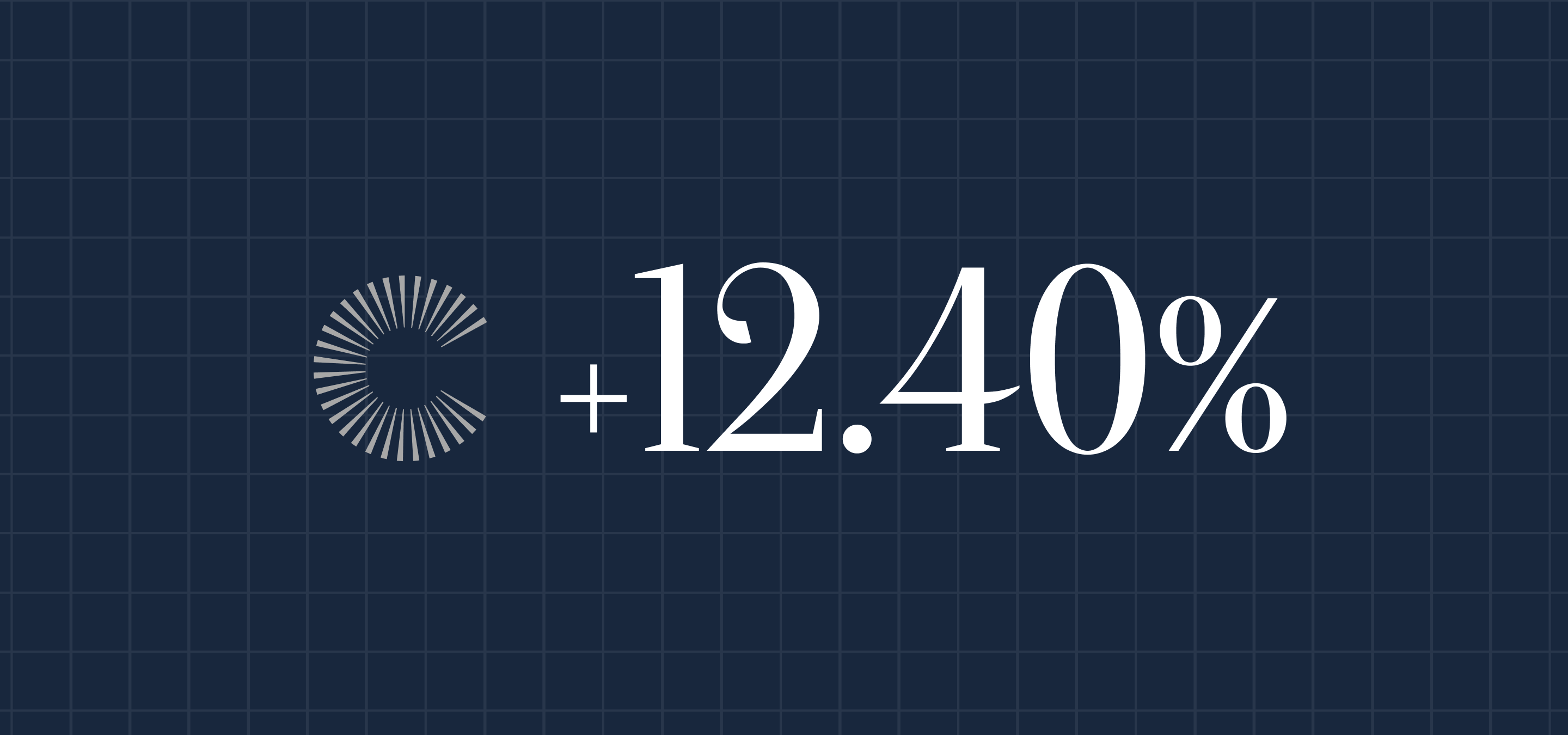
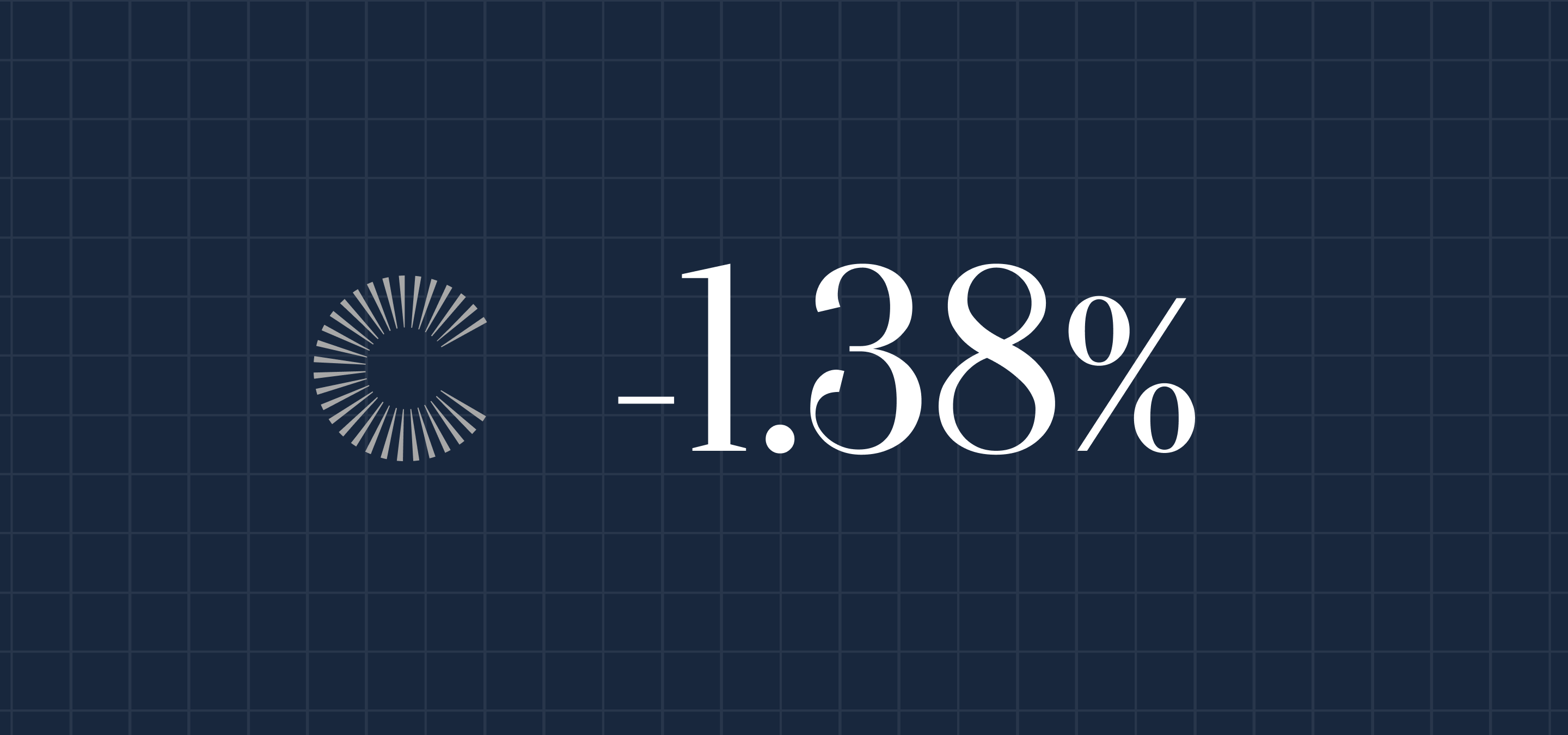
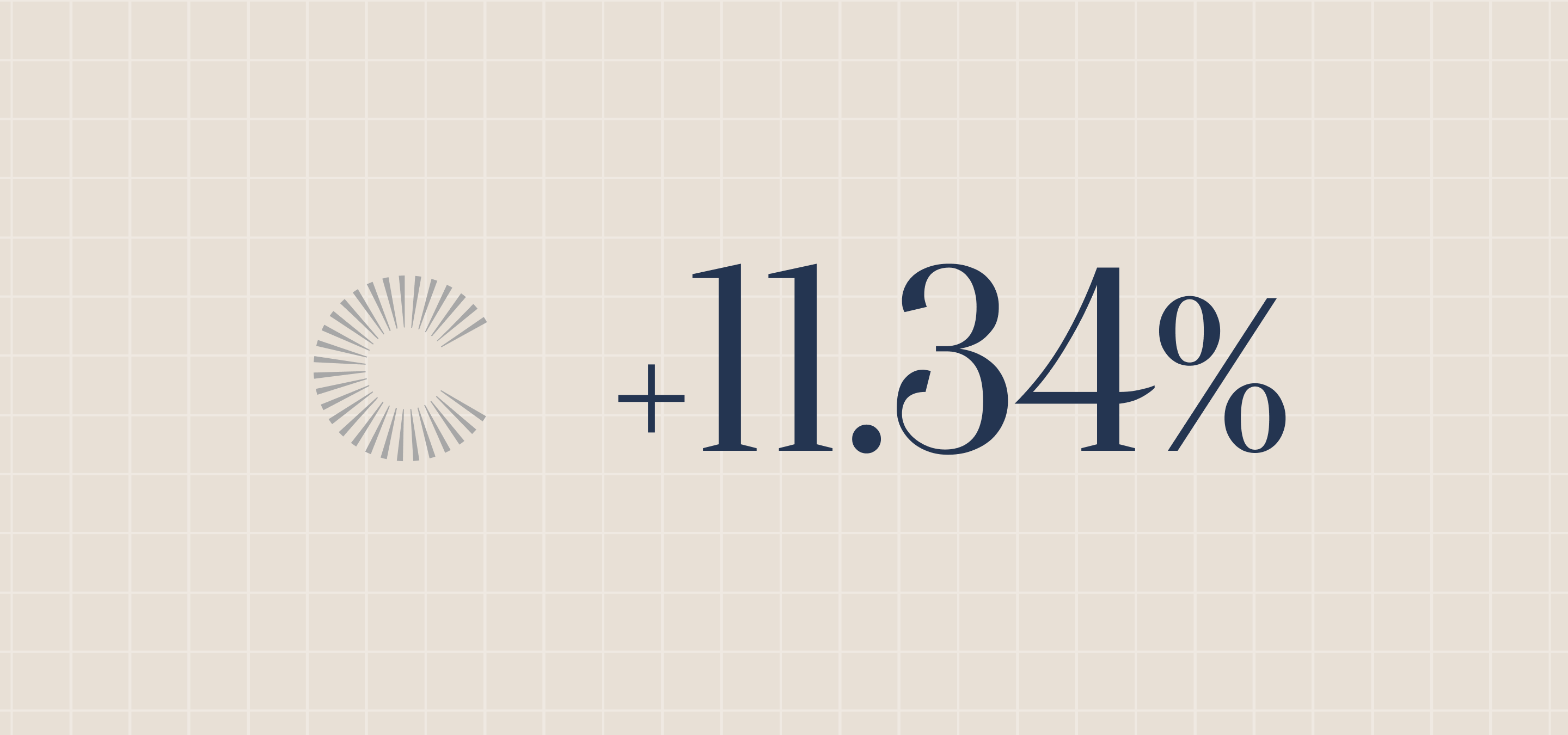
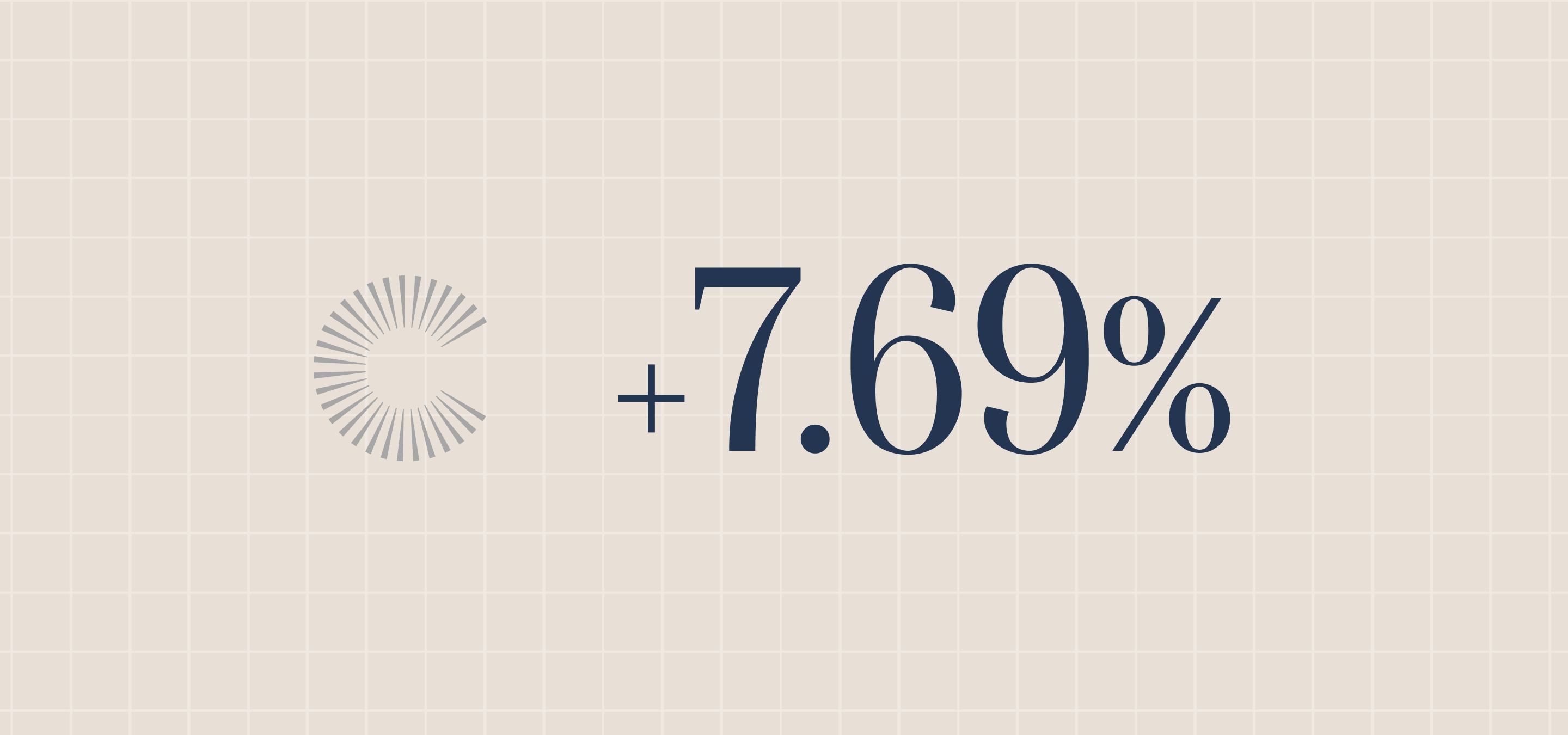
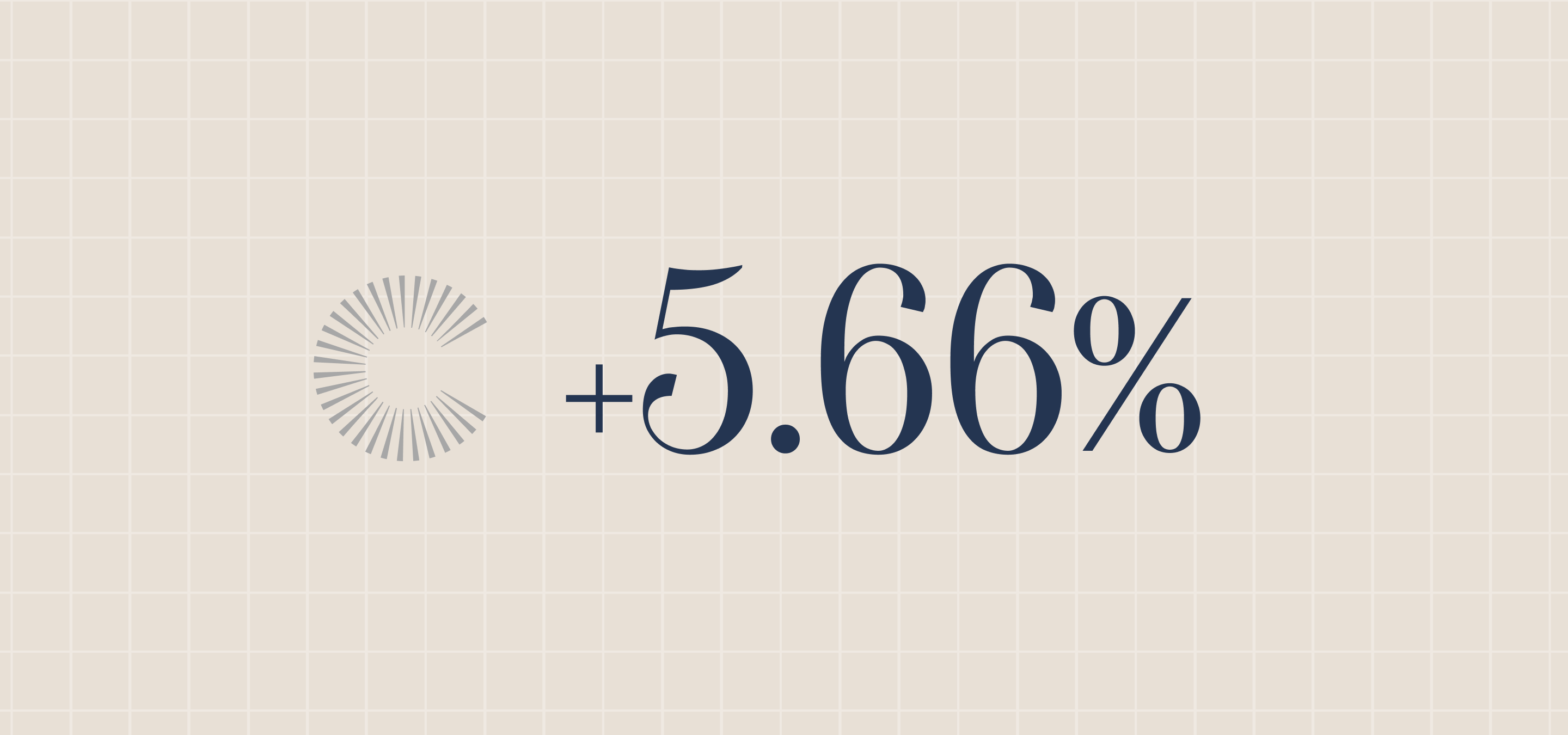
Seasonality refers to recurring patterns that appear during specific periods of the year. In gold markets, certain months or quarters have historically shown tendencies toward stronger or weaker performance.
These patterns are often linked to jewellery demand, central bank activity, investment flows, and broader macroeconomic cycles. However, seasonality is not a standalone driver of price movement.
Understanding how seasonal trends interact with larger market conditions is essential before incorporating them into positioning decisions.
Seasonal patterns are based on recurring behaviour
Gold demand changes throughout the year for structural reasons.
Festive demand in major consuming regions, central bank purchasing cycles, and portfolio rebalancing periods can influence buying activity. These recurring flows may contribute to periods of stronger seasonal performance.
Over time, this creates observable historical tendencies within the market.
Macro conditions remain the dominant driver
While seasonality can influence short-term behaviour, macroeconomic conditions have a greater impact on gold pricing.
Real interest rates, inflation expectations, central bank policy, and geopolitical uncertainty continue to drive broader market direction. Strong macro trends can reinforce seasonal patterns — or override them entirely.
Seasonality therefore operates within a larger macro framework.
Historical patterns are not guarantees
Seasonal trends are probabilistic, not predictive.
A period that has historically shown strength may not behave the same way in a different economic environment. Changes in liquidity, policy expectations, or global sentiment can alter historical relationships.
Relying on seasonality in isolation can lead to misaligned positioning.
Market participation can influence effectiveness
As seasonal tendencies become more widely recognised, market behaviour can change.
Participants may position earlier in anticipation of expected movement, reducing the reliability of the original pattern. In some cases, this can compress or distort seasonal effects altogether.
The market adapts as expectations become embedded.
Seasonality can support broader analysis
Seasonality is most useful when integrated with other forms of analysis.
When seasonal strength aligns with supportive macro conditions, it can reinforce positioning conviction. Conversely, when seasonal expectations conflict with broader market drivers, macro conditions typically dominate.
The interaction between these factors is what matters most.
Gold seasonality should be viewed in context
Seasonal trends exist within gold markets, but they are not independent drivers of long-term performance.
They provide context rather than certainty, helping identify periods where market behaviour may become more active or directionally biased.
Effective positioning requires understanding how seasonality fits within the broader macro environment shaping gold prices.

























.jpg)